

- This event has passed.
SC250 Series // Two Types of Liberty
September 23, 2025 @ 6:00 pm - 7:00 pm
$10.00 – $15.00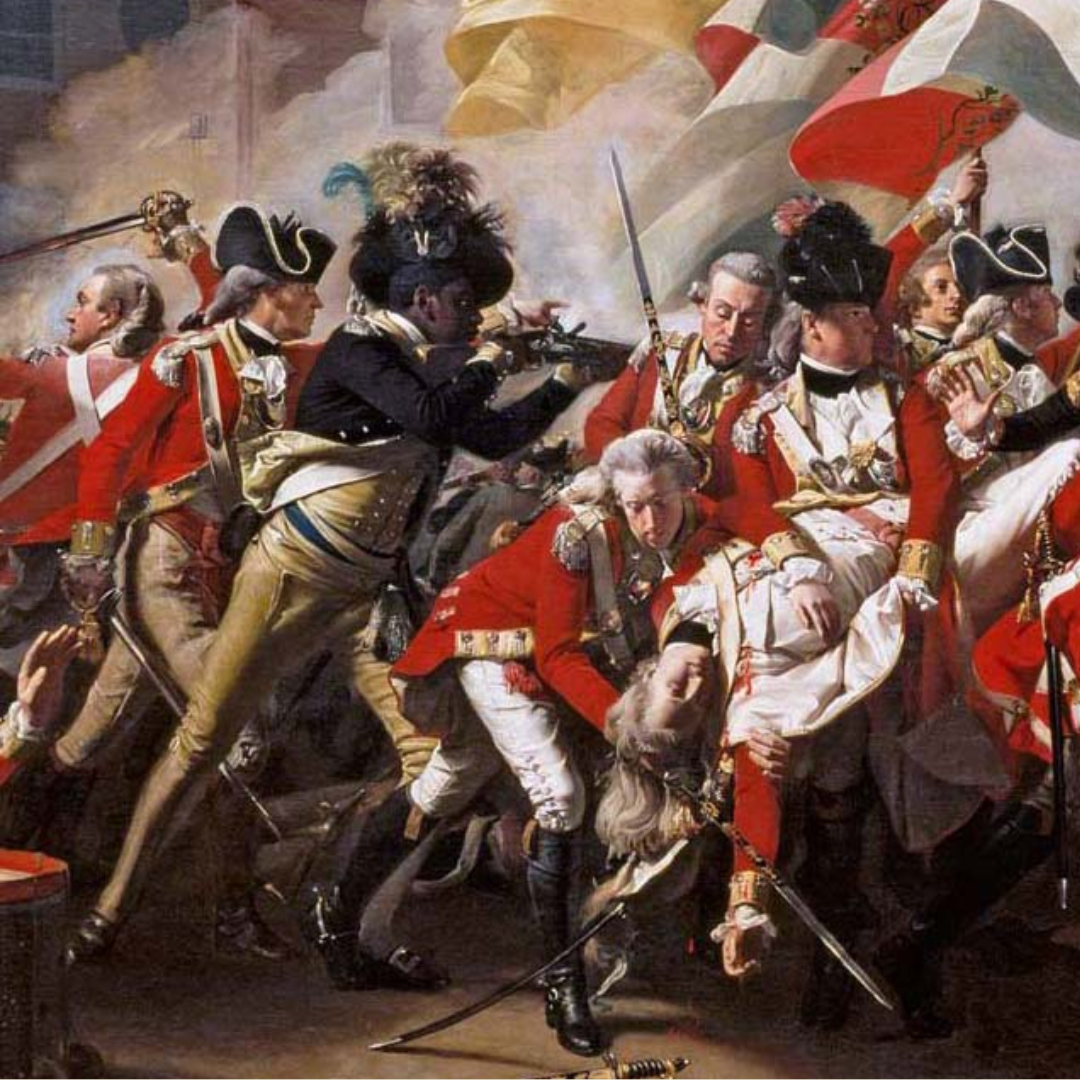
The largely untold story of a rebellion in Virginia in 1775, led by the Royalist governor Lord Dunamore, holds just as much significance to the Revolution as the battles of Lexington and Concord. The first American corps of Black soldiers banded together under Dunamore’s command to fight together for the Crown against the Patriot soldiers who owned the lands they once worked on. “Lord Dunmore has commenced hostilities in Virginia,” wrote Thomas Jefferson. “It has raised our countrymen into a perfect frenzy.” Discover the drama and subterfuge of Virginia’s roots in the Revolution from author and journalist for The New York Times, The Washington Post, National Geographic, Andrew Lawler. Through his newest release, The Perfect Frenzy (a fitting installment within our SC 250 series) discover more about a Scotsman and his collusion with formerly enslaved Black soldiers in a fight for a different kind of liberty.
If you are unable to attend the event, but would like to purchase one or more signed copies, Visit Buxton Books here!
About the Book
As the American Revolution broke out in New England in the spring of 1775, dramatic events unfolded in Virginia that proved every bit as decisive as the battles of Lexington and Concord and Bunker Hill in uniting the colonies against Britain. Virginia, the largest, wealthiest, and most populous province in British North America, was led by Lord Dunmore, who counted George Washington as his close friend. But the Scottish earl lacked troops, so when patriots imperiled the capital of Williamsburg, he threatened to free and arm enslaved Africans—two of every five Virginians—to fight for the Crown. Virginia’s tobacco elite was reluctant to go to war with Britain but outraged at this threat to their human property. Dunmore fled the capital to build a stronghold in the colony’s largest city, the port of Norfolk. As enslaved people flocked to his camp, skirmishes broke out. “Lord Dunmore has commenced hostilities in Virginia,” wrote Thomas Jefferson. “It has raised our countrymen into a perfect frenzy.” With a patriot army marching on Norfolk, the royal governor freed those enslaved and sent them into battle against their former owners. In retribution, and with Jefferson’s encouragement, furious rebels burned Norfolk to the ground on January 1, 1776, blaming the crime on Dunmore. The port’s destruction and Dunmore’s emancipation prompted Virginia’s patriot leaders to urge the Continental Congress to split from Britain, breaking the deadlock among the colonies and leading to adoption of the Declaration of Independence. Days later, Dunmore and his Black allies withdrew from Virginia, but the legacy of their fight would lead, ultimately, to Abraham Lincoln’s 1863 Emancipation Proclamation. Chronicling these stunning and widely overlooked events in full for the first time, A Perfect Frenzy offers a striking new perspective on the American Revolution that reorients our understanding of its causes, highlights the radically different motivations between patriots in the North and South, and reveals the seeds of the nation’s racial divide.
About the Author
Andrew Lawler is a journalist and author who has written about history, science, religion, and politics from dozens of countries. He is author of four books, A Perfect Frenzy: A Royal Governor, His Black Allies, and the Crisis That Spurred the American Revolution, the prize-winning Under Jerusalem: The Buried History of the World’s Most Contested City, the national bestseller The Secret Token: Myth, Obsession, and the Search for the Lost Colony of Roanoke and the acclaimed Why Did The Chicken Cross The World: The Epic Saga Of The Bird That Powers Civilization. Andrew’s byline has appeared in The New York Times, The Washington Post, National Geographic, Smithsonian, and many other publications. He is a contributing writer for Science and contributing editor for Archaeology, as well as a National Geographic Explorer and a Pulitzer Center grantee. His work has won a number of journalism awards, and appeared several times in The Best of Science and Nature Writing.
About SC 250
SC250 Charleston is intended to serve as an umbrella for Charleston-area community organizations, governmental entities, and business enterprises interested in conceiving, building and sponsoring initiatives that commemorate the American Revolution and leading roles played by Charleston’s people and places. This program is sponsored (in part) by the South Carolina American Revolution Sestercentennial Commission. SC250 was established by the SC Legislature to commemorate the 250th anniversary of the Revolutionary-Era and highlight the state’s significant role in securing America’s freedom by engaging and inspiring South Carolinians and visitors through heritage tourism, rural economic impact initiatives, and educational programs. Contents and opinions do not necessarily reflect the views or policies of SC250, nor does the mention of trade names or commercial products constitute endorsement or recommendation by SC250.